Welcome to the ENETWILD Newsletter!
ENETWILD is an international network of wildlife professionals focused on integrating wildlife management with pathogens’ surveillance and management. The project is funded by EFSA.
In this newsletter you will stay in the loop on the latest publications and updates in the wildlife world, you will have access to event information and will get to know more about the people involved in the project.
In this edition, (again) reading the newsletter all the way to its end has a reward: you will find the “Find the Mammal” game 🎯🎯
Latest publications
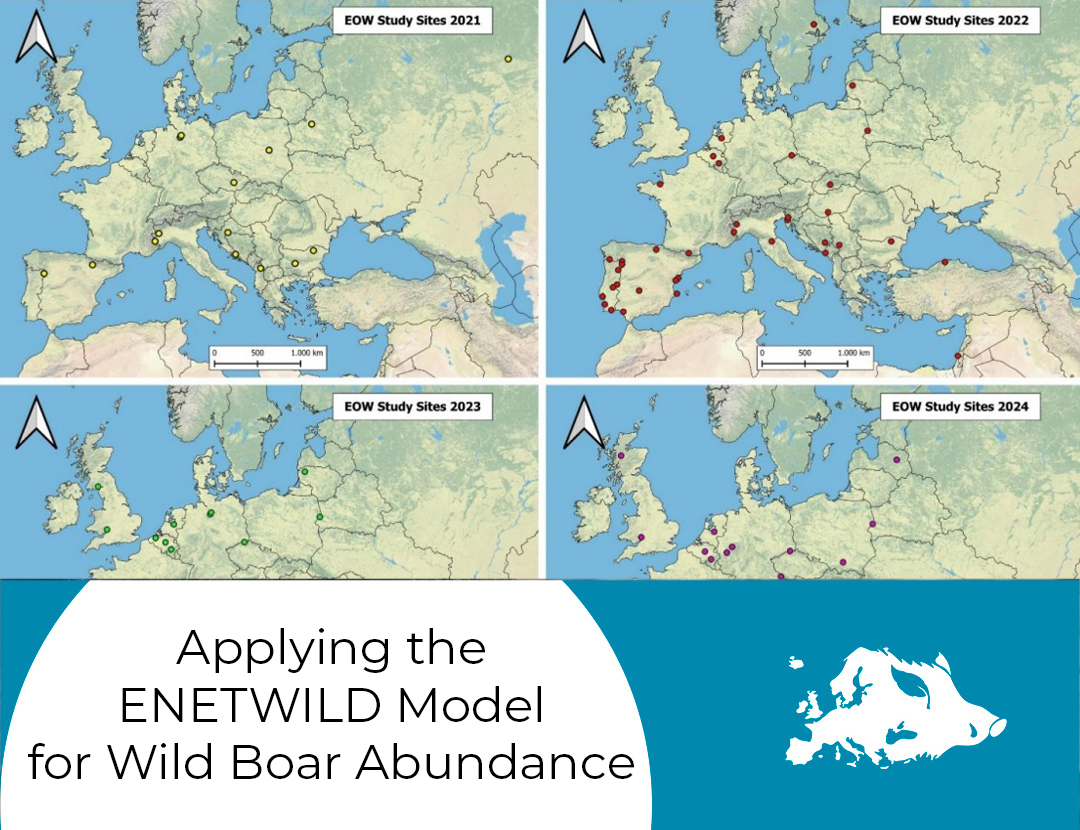
Mapping wild boar density across Europe: combining spatial models and density estimates
https://link.springer.com/article/10.1007/s10344-026-02059-x
Trends of ungulate species in Europe: not all stories are equal
https://link.springer.com/article/10.1007/s13364-025-00838-6
(Spanish) ¿Cómo avanza la guerra contra la peste porcina africana en Barcelona? 10 claves sobre la situación actual
https://theconversation.com/como-avanza-la-guerra-contra-la-peste-porcina-africana-en-barcelona-10-claves-sobre-la-situacion-actual-280001
Effects of camera placement height on capture rate in camera trapping: knee height is often the best
https://www.irec.es/en/publicaciones-destacadas/armonizacion-colocacion-altura-camara-fototrampeo
Avian malaria: A silent threat to Spain’s scavenger birds?
https://www.irec.es/en/publicaciones-destacadas/malaria-aviar-aves-carroneras-rapaces-espana
Environmental DNA reveals tuberculosis risk at the human–great ape interface in Africa
https://www.irec.es/en/publicaciones-destacadas/adn-ambiental-tuberculosis-interfaz-humanos-grandes-simios-africa
Join iMammalia and help protect Europe’s wildlife
iMammalia is a free citizen science app that allows you to contribute directly to wildlife monitoring and conservation across Europe. By using the app, you can:
- Identify mammals and their tracks more easily
- Report wildlife sightings (ideally with a photo) for expert validation
- Keep a personal nature diary of your observations
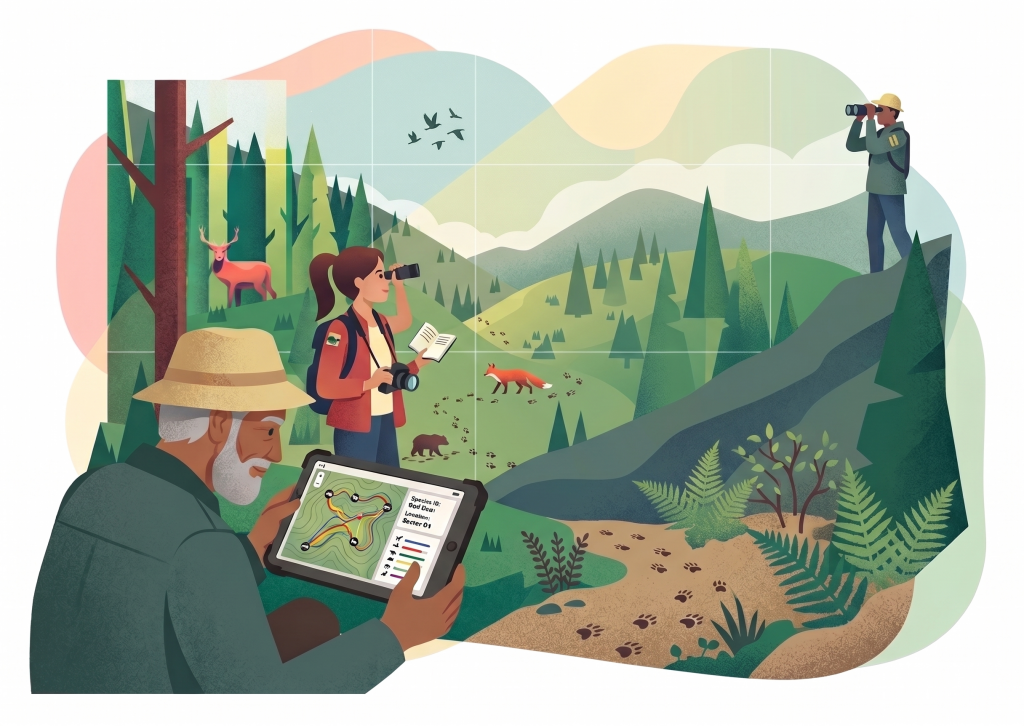
Every record you submit matters. After expert review, your observations are added to a scientific database used by researchers across Europe to improve conservation and wildlife management. They also contribute to the global biodiversity platform GBIF, helping build a shared understanding of where species are found and how populations are changing over time.
Download iMammalia and become a wildlife hero: Spot. Report. Protect.
In the Czech Republic, a communication campaign is currently underway to promote iMammalia, with strong engagement from local partners. The initiative includes outreach in public libraries and tourist information offices, as well as educational activities for pupils.
As part of the campaign, QR-code stickers will be installed on around 500 information panels in protected natural areas, making it easier for visitors to download and use the app directly in the field.
Updates
2026 Report: Wild Boar Movement and ASF Risk
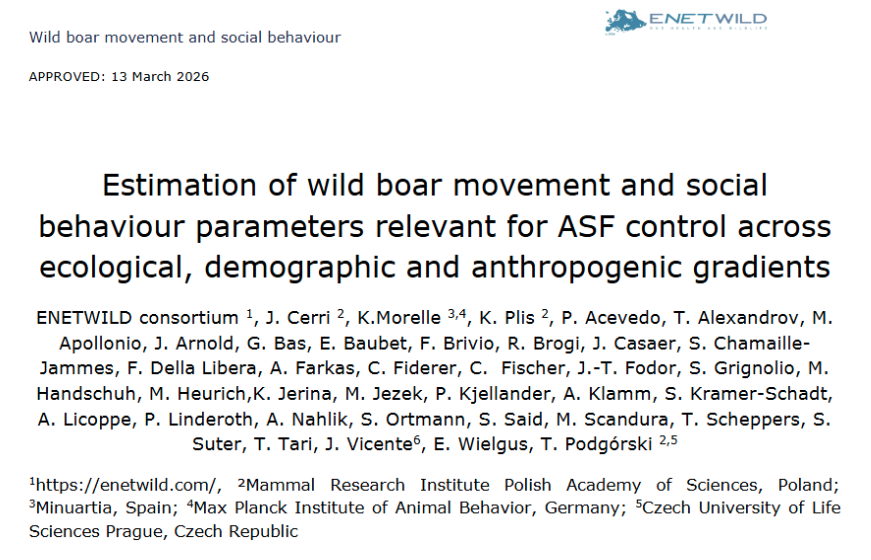
The new 2026 report is here, bringing a large scale analysis of GPS data from 743 wild boars across 13 European countries. It confirms that wild boar are generally sedentary, with limited movement overall but strong variation between individuals. A small fraction of highly mobile animals, particularly males, account for most long distance movements and elevated contact rates, driving ASF transmission risk.
The results indicate that movement and interactions peak in autumn and winter and in forest and agriculture mosaic landscapes, with population density influencing contact frequency. The findings highlight the role of behavioural heterogeneity in ASF dynamics and support more targeted, seasonally focused biosecurity and surveillance strategies.
Both the 2026 report and previous reports are available here
1st EOW Training Workshop 2026
This first online EOW training workshop marked the start of the implementation of the Random Encounter Model (REM) protocol. The session covered key aspects of field protocol implementation, as well as an overview of the photogrammetry approach used within this framework.
It also introduced the topics planned for the second workshop, scheduled for September, including image processing on the Agouti platform and data analysis.
You can watch the full recording here
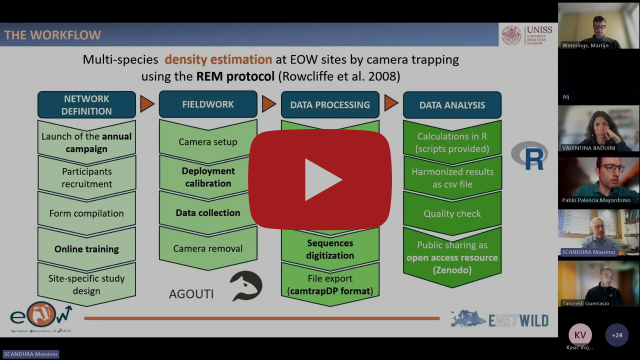
1st EOW Training Workshop 2026
The 2nd edition of the EOW Training & Volunteering Programme will continue to support collaborators involved in ENETWILD projects, helping strengthen participation, improve data quality, and ensure the consistent application of protocols across the network. More details on this year’s edition will be shared in upcoming newsletter issues.
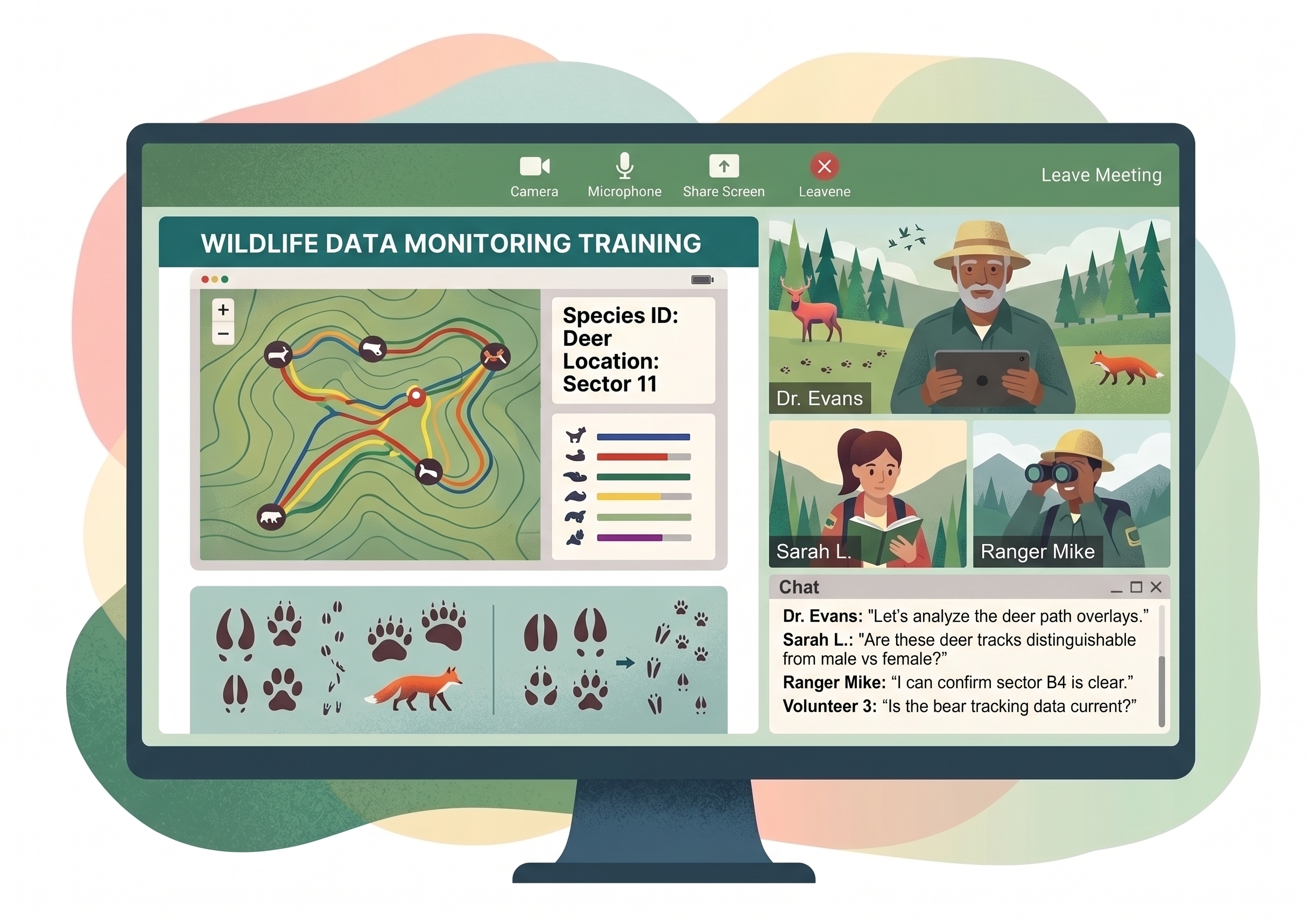
A key novelty in this new edition is the introduction of an official badge, providing formal recognition of participants’ skills and contributions. This certification is designed to add value to involvement in EOW activities, increasing visibility and acknowledgment within the wider scientific and conservation community.
Expert Foresight Workshop Comes to a Close
The ENETWILD workshop series, entitled “Expert Foresight Workshop on Long-Term Wildlife Health Preparedness”, was conducted to support the development of a dedicated report on long-term wildlife health perspectives.
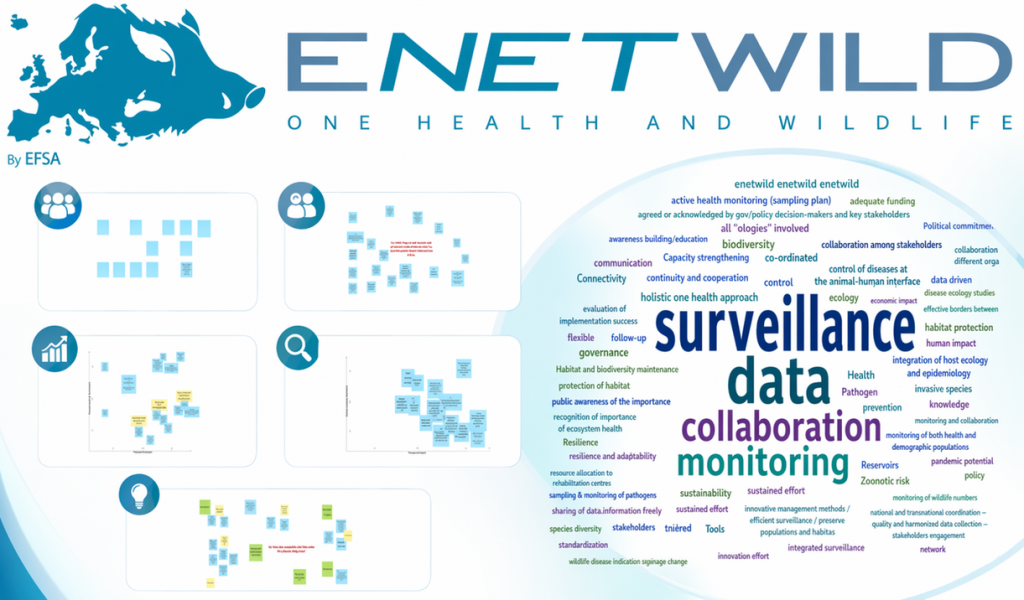
The objective was to identify and prioritise emerging ecological and epidemiological risks, examine key drivers such as climate and land-use change, and contribute to the development of recommendations alongside a preparedness roadmap. This was achieved through a structured expert elicitation process based on a series of online workshops involving a diverse, cross-sectoral group of specialists in integrated wildlife health and monitoring, both from within and beyond the ENETWILD network, including experts from outside Europe.
Through facilitated discussions and the use of interactive digital tools, participants collaboratively explored future trends, identified key risks, and prioritised actions, ensuring a transparent and forward-looking assessment to strengthen understanding of potential future threats within a One Health perspective.
Upcoming events
BioMonWeek 2026: Advancing Transnational Cooperation in Biodiversity Monitoring
BioMonWeek 2026 will take place in Montpellier, France, from May 4th–6th, 2026.
The Biodiversity Monitoring Week (BioMonWeek) is a European conference that brings together monitoring experts to discuss transnational cooperation and coordination across spatial and institutional scales.
The programme will feature plenary keynotes, panels, contributed sessions and workshops around nine key themes:
- Terrestrial monitoring
- Data management for monitoring
- Monitoring and the private sector
- Marine monitoring
- Mass monitoring
- Monitoring governance
- Freshwater monitoring
- Public policy and funding for monitoring
- Capacity-building in monitoring
In addition, ENETWILD activities will be presented through a dedicated presentation, highlighting recent developments, key results, and ongoing efforts within the network.
Save the Date: 16th EWDA Conference
The 16th European Wildlife Disease Association Conference will take place from the 29th of September to the 3rd of October 2026 in Novi Sad, Serbia, hosted by the Scientific Veterinary Institute ‘Novi Sad’.
Under the theme “The Wild Future: Challenges of Integrating Health, Welfare and Biodiversity”, the conference will bring together researchers and professionals working across wildlife, domestic animal, human, and environmental health. The programme will focus on sharing research, strengthening collaboration, and advancing an integrated approach to wildlife disease and ecosystem health.
Pre-Conference Workshops will be held on 28 September 2026.
EWDA 2026 will also provide space for new connections and long term collaborations within the wildlife health community, in the welcoming setting of Novi Sad.
Several contributions from ENETWILD will be presented during the conference, showcasing ongoing work, recent findings, and collaborative efforts within the network.
Interview
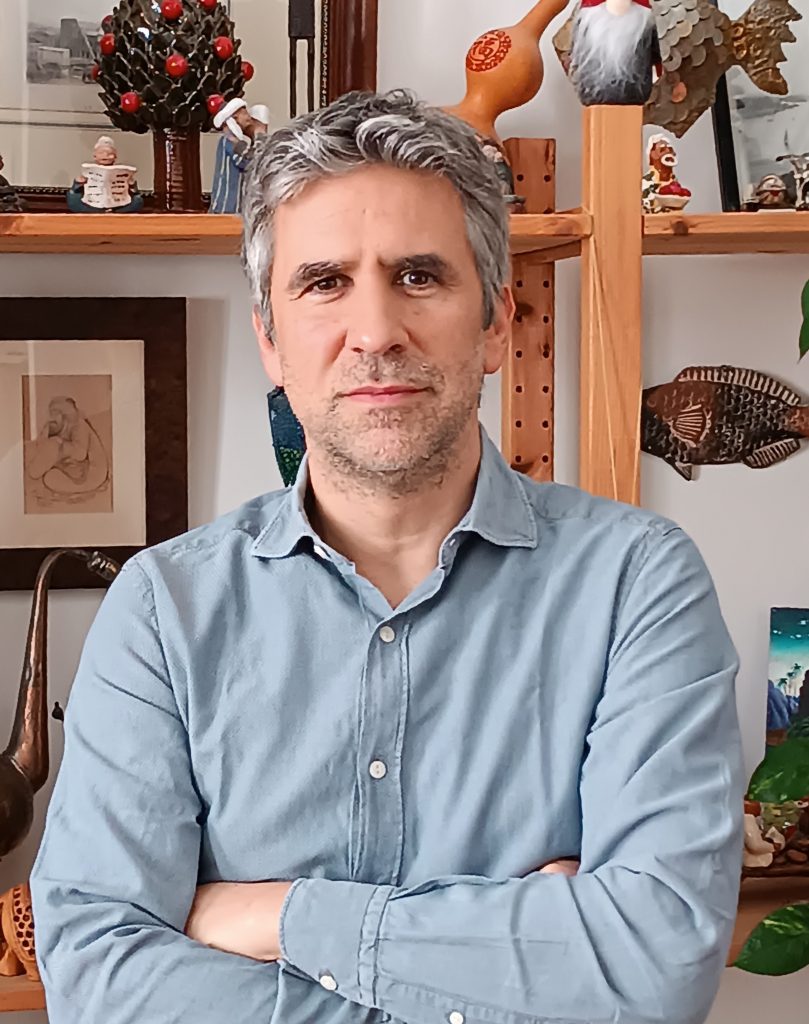
Relax and enjoy this interview with Daniel Beltran-Alcrudo, a Veterinary Epidemiologist working for the FAO, Regional Office for Europe and Central Asia in Budapest, Hungary
Could you start by telling us a bit about your role on the ENETWILD Advisory Board?
As a member of the ENETWILD Advisory Board, I contribute from FAO’s regional animal health and One Health perspective, with a focus on transboundary animal diseases. My role is to ensure that ENETWILD’s data collection frameworks, density maps and modelling outputs are aligned with real policy and preparedness needs. In particular, I look at how veterinary services can use these tools for risk assessment, wildlife surveillance design and disease control at the wildlife–livestock interface. An important aspect for me is that these products remain accessible and operationally relevant not only for EU Member States, but also for middle-income countries with more limited resources, capacities and technical infrastructure. Bridging science and practice is central to my contribution.
From your advisory perspective, what are ENETWILD’s most significant achievements to date?
ENETWILD’s most significant achievement is the establishment of a harmonised, transnational framework for wildlife data collection and modelling across Europe. The development of standardized protocols, a robust wildlife data model, and high-resolution distribution and density maps—particularly for wild boar—has substantially strengthened the evidence base for disease risk assessment. Equally important is the creation of a dynamic network of institutions and experts working toward a common goal.
“By bringing together ecologists, modellers, veterinary authorities and policymakers, ENETWILD has fostered collaboration, trust and data sharing across countries that traditionally worked in isolation.”
Looking forward, what are the biggest emerging challenges for wildlife health in Europe?
The biggest challenges include the increasing frequency of disease spillover events at the wildlife–livestock interface, climate-driven ecological changes, and the expansion of wildlife populations in peri-urban areas. However, a major structural challenge is the chronic underfunding and limited capacity for wildlife surveillance and management in many countries. In several middle-income countries in particular, wildlife health monitoring remains fragmented, minimal or even absent, meaning that the true disease situation and the role of wildlife in pathogen maintenance and spread are often poorly understood. Strengthening sustainable surveillance systems and integrating biodiversity and sanitary monitoring under a One Health framework will be essential in the coming years.
What are the key lessons from recent emergencies, like Avian Influenza (HPAI) in mammals or African Swine fever?
Recent emergencies have shown that wildlife cannot be treated as a peripheral component of disease management. Early detection depends on understanding wildlife density, movements, and interfaces with livestock. In the case of ASF, wild boar ecology is not just one more factor, but often drives epidemiology and long-term endemicity. Moreover, even diseases we thought we understood are behaving in unexpected ways. The spillover of HPAI into mammals and the prolonged persistence of ASF in wild boar—sometimes in the absence of outbreaks in domestic pigs—demonstrate how increased wildlife densities, closer wildlife–livestock contact and changing behaviours are reshaping disease dynamics. Transparent data sharing, rapid modelling and cross-border coordination are therefore prerequisites for effective control. At the same time, meaningful collaboration with key actors such as the hunting community is essential.
“Hunters are not only data providers, but critical operational partners, and understanding their perspectives and constraints is fundamental for sustainable surveillance and management.”
On a broad scale, what current initiatives or efforts do you believe are contributing most effectively to advance wildlife health?
Initiatives that combine standardized field data collection with modelling and open data platforms are making the greatest impact. The European Observatory of Wildlife (EOW) network under ENETWILD is a strong example, particularly through harmonized camera-trap density estimation. At the same time, community science is becoming an increasingly powerful complement to formal surveillance systems. Engaging citizens—such as hikers or nature observers—to report wildlife observations in real time can significantly expand geographic coverage and timeliness of data. When properly validated and integrated, these contributions multiply the value of traditional monitoring and strengthen early warning capacities. More broadly, collaboration between wildlife ecologists, veterinary services, EFSA, and European institutions is helping bridge the gap between ecology and sanitary risk assessment.
What should be ENETWILD’s main contribution to tackling future challenges?
ENETWILD should consolidate its role as the European reference platform for wildlife abundance, distribution and movement data relevant to animal health. Beyond producing robust maps and models, it should serve as a forum where scientists, modellers and institutions can exchange methods, align standards and jointly address emerging challenges. A key next step will be expanding the framework beyond wild boar to other wild ungulates and carnivores. While methodologies are now well established, scaling up to multiple species will be scientifically and operationally demanding—particularly given uncertainties about which species may become epidemiologically relevant and the lack of consistent data sources, such as hunting statistics, for some of them. Strengthening methodological flexibility and sustainable data streams will therefore be essential.
“Its main contribution should be ensuring that wildlife data are effectively integrated into preparedness planning, risk assessment and crisis response.”
In the end, what is the main legacy you hope ENETWILD will accomplish?
I hope ENETWILD’s legacy will be the normalization of harmonized wildlife data use in animal health decision-making across Europe. If wildlife density and distribution data become systematically integrated into national and European risk assessments, then ENETWILD will have fundamentally changed how we manage diseases at the wildlife–livestock interface.
Is there a final message you would like to highlight for our readers?
Wildlife health is not a niche issue—it is central to food security, livelihoods, biodiversity and public health. From a One Health perspective, investing in reliable wildlife data, transparency and cross-sector collaboration is far more effective than reacting to crises once they occur. ENETWILD demonstrates how coordinated, science-based approaches can support preparedness and risk management. The challenge now is to ensure that such approaches are sustained and accessible not only within the EU, but also in neighbouring and middle-income countries where capacities are more limited but risks are equally significant.
Many thanks for your answers.
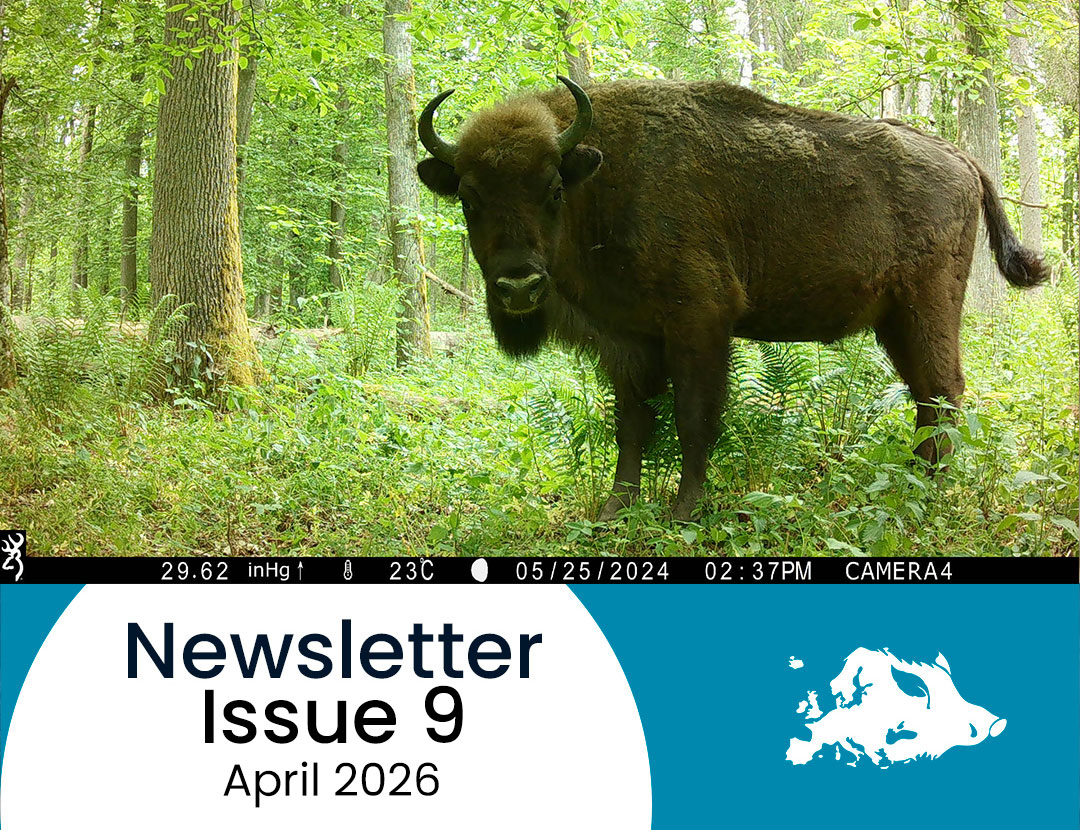
Let’s play “FIND THE MAMMAL”!
Made it this far? You’ve earned it. Let’s play 🕹️👇
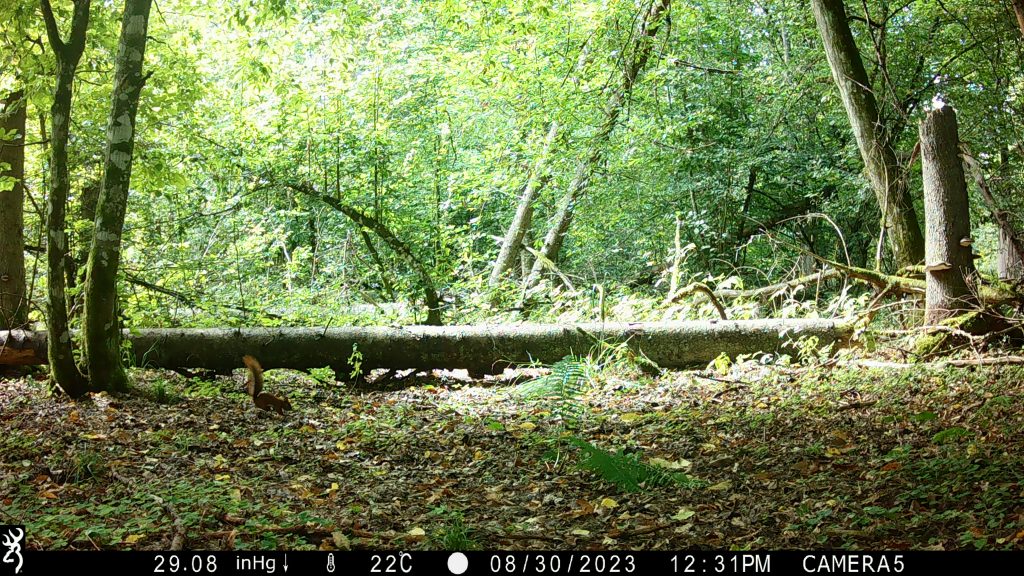
Photo credit: MRI PAS, European Observatory of Wildlife (EOW).